Southern Architecture Awards Winner
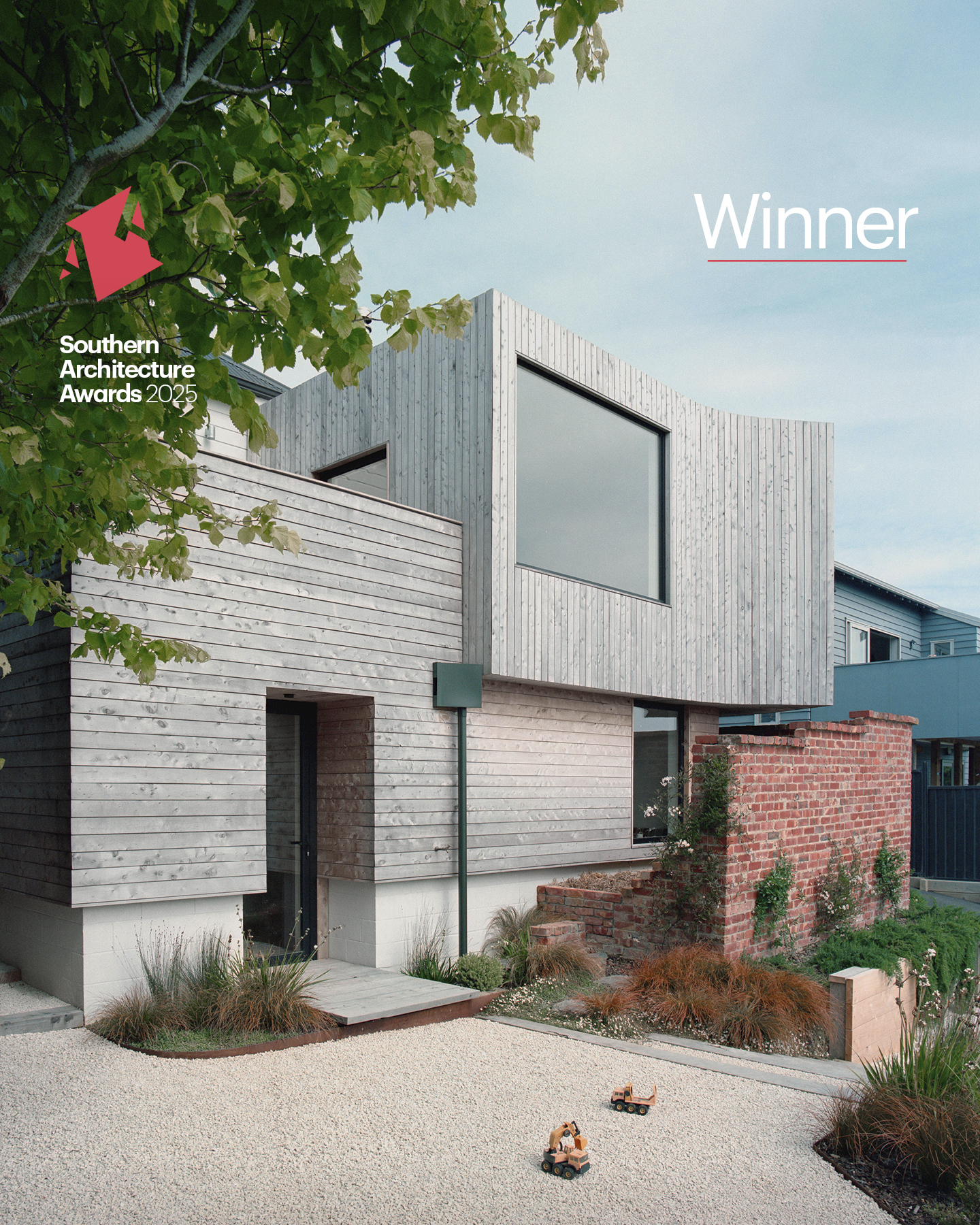
We’re honoured to have received a Te Kāhui Whaihanga NZ Institute of Architects Southern Architecture award for our project Weather Watcher- a villa that underwent a deep renovation on its 100th birthday transforming it into a contemporary and efficient family home. This project captures ahha’s commitment to creating measurable and holistically sustainable projects in order to build a truly regenerative Aotearoa.
A special congratulations to Tony Calder, the project lead and carpenter, as well as Julia Smith, Robyn Calder, and Roger Calder who were instrumental in the project.
"Having lovingly and impeccably restored an existing double bay villa, this designer/client has created a living area extension to the rear of the restoration. Flawless transitioning is achieved in an exciting modern living space, brimming with innovative and bespoke detail. The curvilinear is expertly conscripted in places such as the curved wall to form a sculptural box window jamb as an expression of continuous view. Astonishingly the client not only designed this project but was largely responsible for building the meticulously constructed joinery. The project demonstrates an aspirational yet pragmatic approach to reducing environmental impact."
Check out the project here: https://www.ahha.co.nz/projects/weather-watcher
Check out the awards website here: https://www.nzia.co.nz/awards/local/award-detail/12189
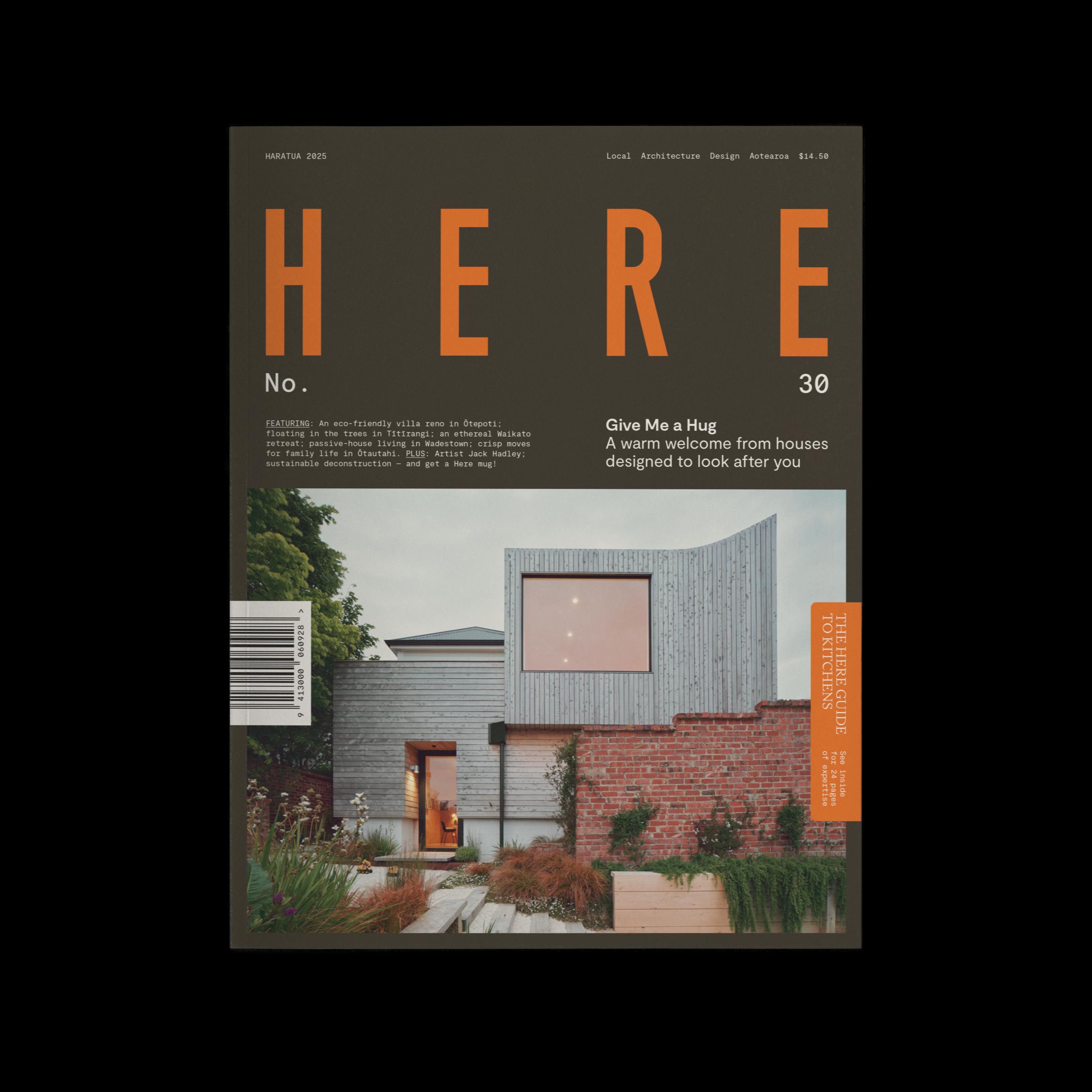
Tony Calder, of ahha, consciously reimagines a 100-year-old villa in Ōtepoti, embracing views, weather and a connection to the garden.

We’re proud to announce that Jimmi O’Toole is now a HomeStar Accredited Designer and Assessor.

Exciting news! We’re proud to announce that Tony Calder has been certified as a Circular Built Environment Specialist, through the Circular Economy Institute. This achievement demonstrates our commitment to creating environmentally responsible buildings that fit into the circular economy.